
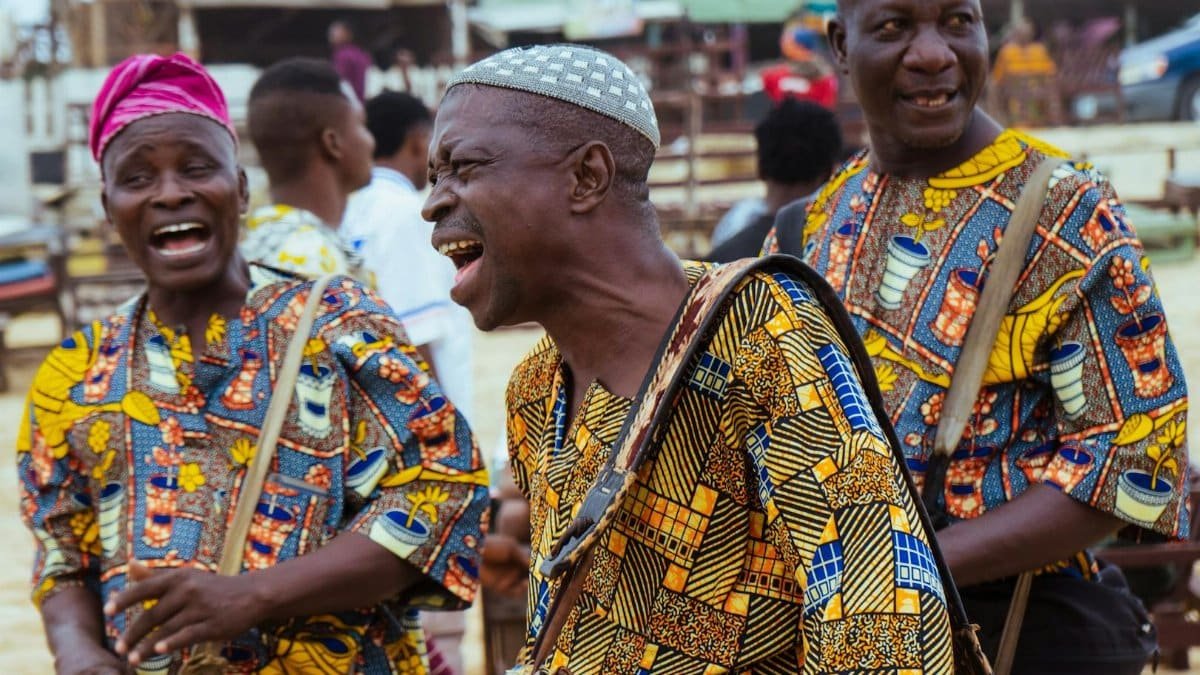
Walk into any community center or wellness studio across the U.S. these days, and you might catch the faint thrum of a rhythm that feels older than time. It’s not just music—it’s a connection, a pulse that seems to reach back through generations. Ancestral drumming, a practice rooted in cultural traditions worldwide, is finding new resonance in 2025 as people seek ways to ground themselves amid digital overload. From urban hubs like Chicago to rural retreats in Vermont, groups are gathering to tap into rhythms that do more than soothe the mind; they sync heartbeats. Research into heart rate variability (HRV) suggests these ancient patterns can align physiological responses across a group, fostering a shared calm. This isn’t mere nostalgia. It’s a deliberate return to something primal, a way to counter the chaos of modern life with beats that echo our collective past.
1. The Universal Pulse: A Starting Beat

Every drumming tradition begins with a foundational rhythm, often called the “heartbeat” pattern. It mimics the steady thump of a resting pulse—around 60 to 80 beats per minute. Indigenous cultures from Africa to the Americas have long used this rhythm in ceremonies to evoke stability. Modern studies, like those from the National Institutes of Health, note that such tempos can lower stress by influencing HRV, a measure of autonomic nervous system balance. Picture a circle of drummers, hands moving in unison, the air thick with a sound that feels like it’s holding everyone together. It’s not just auditory. It’s visceral. For beginners, this pattern is accessible—a simple alternating strike on a djembe or frame drum. Yet its power lies in repetition, slowly pulling a group into sync.
2. The Call-and-Response: Building Connection

“Follow me,” a facilitator in a recent Seattle workshop seemed to say through their drum, striking a sharp, insistent beat. The group answered with a softer echo, a dialogue without words. This call-and-response pattern, common in West African traditions, isn’t just musical interplay. It’s a social glue. Research from the American Psychological Association suggests rhythmic interaction can enhance group cohesion, even syncing brainwaves. When heartbeats align through such patterns, as HRV studies indicate, trust builds. It’s raw and immediate. Participants don’t need skill—just willingness to listen and reply through rhythm. In a fragmented world, this ancient exchange offers a tangible way to feel part of something larger.
3. The Rolling Wave: Mimicking Breath

Some patterns flow like an inhale and exhale, a slow build and release. Often found in Native American drumming circles, this rolling wave rhythm stretches over several seconds, mirroring deep breathing cycles. A 2019 study from the Frontiers in Psychology journal found that rhythms tied to respiratory rates can stabilize heart rates across listeners. Imagine a group in a dimly lit room, drums swelling and receding like ocean tides, bodies subtly swaying. It’s less about precision and more about feeling the current. For those new to ancestral drumming, this pattern can be a gentle entry, teaching patience as the rhythm guides the nervous system toward calm.
4. The Warrior’s Charge: Energizing the Group
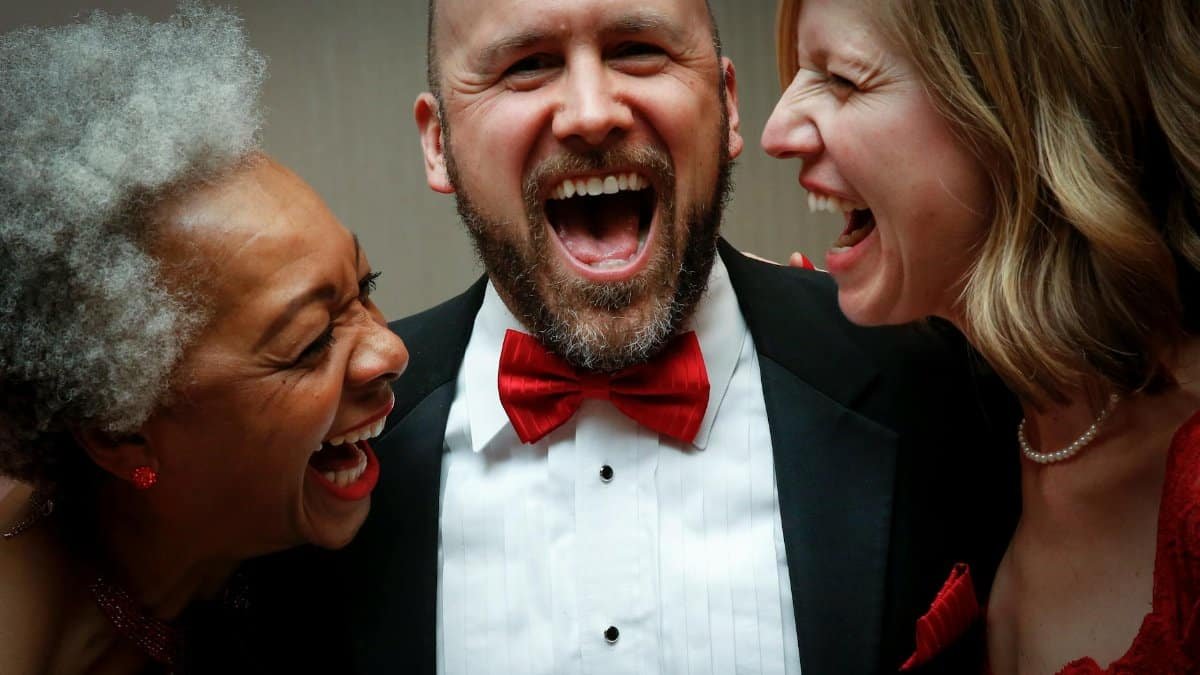
Not all ancestral rhythms soothe. Some ignite. The warrior’s charge, a rapid, staccato beat rooted in traditions like those of the Maori or certain African tribal ceremonies, quickens the pulse deliberately. It’s a call to action, historically tied to preparation for battle or communal effort. Data from the HeartMath Institute shows that faster tempos can elevate HRV in short bursts, enhancing alertness while still fostering group synchrony. Drummers often describe a rush, a shared intensity as hands blur over drumheads. In modern settings, this pattern finds a place in team-building workshops, waking up sluggish mornings with a jolt of collective energy.
5. The Mourning Cadence: Shared Release
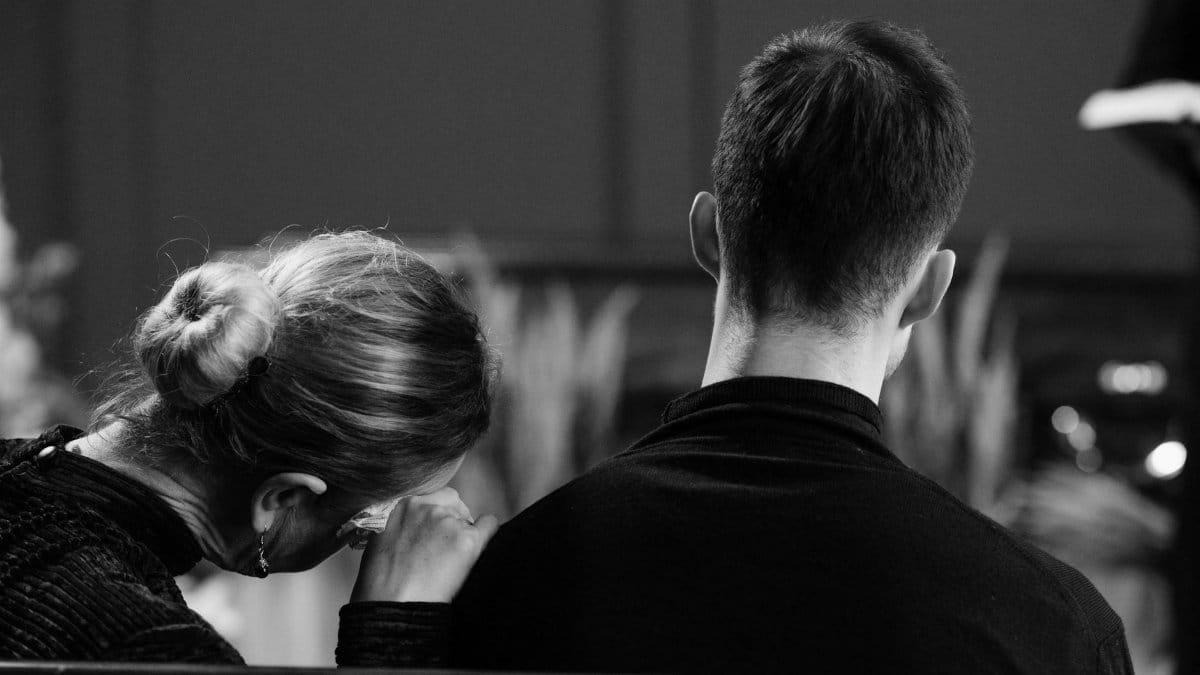
In many cultures, drumming holds space for grief. A slow, heavy cadence—often heard in funeral rites across the African diaspora or in Celtic traditions—carries a weight that words can’t. Each strike feels like a sigh, a release. Researchers note that slower tempos can lower cortisol levels, easing emotional strain, though specific HRV impacts vary. A facilitator once shared how a group, strangers at first, wept together during this rhythm, bonded by an unspoken ache. In 2025, as mental health conversations grow, such patterns remind us that communal healing isn’t new. It’s ancient. This beat doesn’t rush. It waits, letting the heart catch up.
6. The Harvest Rhythm: Celebrating Unity
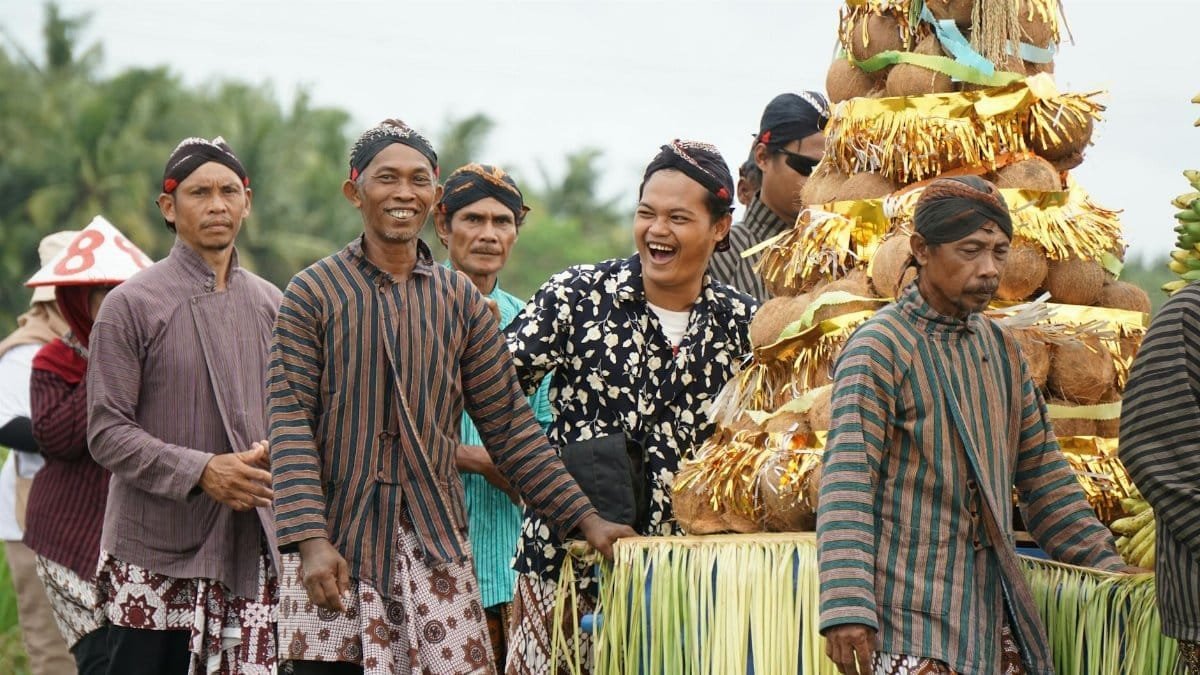
Festivals worldwide have long pulsed with rhythms of abundance. The harvest rhythm, common in agrarian societies from Europe to Asia, is upbeat yet steady, often layered with syncopated claps or foot stomps. It’s a sound of gratitude, of collective triumph. Physiologically, upbeat group activities like this can boost oxytocin, the “bonding hormone,” indirectly supporting HRV balance. Picture a community event, drums echoing under string lights, laughter weaving through the beat. For modern drummers, it’s a reminder that ancestral drumming isn’t always somber—it can be a party, a shared pulse of joy that ties a group together after hard work.
7. The Trance Beat: Deepening Focus
Shamanic traditions, from Siberia to South America, often use relentless, monotonous rhythms to induce altered states. The trance beat—fast, unvarying, almost hypnotic—can shift brain activity toward theta waves, associated with deep relaxation. HRV studies suggest it also steadies cardiac rhythms over time. In a recent online discussion, someone described feeling “untethered yet safe” during a session, as if the drum erased the noise of daily stress. Modern wellness groups adapt this for meditation, using hand drums or recordings. It’s not about performance. It’s about surrender, letting the beat carry a collective focus beyond thought.
8. The Staggered Echo: Embracing Chaos

Some patterns defy order. The staggered echo, seen in certain Polynesian or Caribbean traditions, layers mismatched tempos that somehow resolve. One drummer starts, another joins off-beat, creating a controlled chaos. It mirrors life’s unpredictability, yet HRV research hints that even irregular rhythms can synchronize groups if intent is shared. In practice, it feels messy at first—then clicks. A workshop leader in Atlanta once grinned as participants stumbled through it, only to gasp when their heartbeats aligned despite the discord. It teaches resilience, a reminder that connection doesn’t need perfection.
9. The Spiral Dance: Evolving Together

In some Celtic and Middle Eastern traditions, rhythms spiral—starting slow, building speed, then unwinding. It’s a journey, often paired with movement in ritual dances. The gradual tempo shift can nudge heart rates up, then down, training adaptability in HRV. Imagine a circle of people, drums accelerating as feet shuffle faster, a shared momentum spiraling inward. In modern contexts, this pattern suits storytelling events or therapy groups, guiding participants through emotional arcs. It’s less about the destination and more about moving as one, feeling the group’s energy shift with each turn.
10. The Silent Return: Closing the Circle

Every session ends. The silent return, a pattern of diminishing strikes fading to quiet, is common across traditions to signal closure. It’s a gentle deceleration, letting heartbeats settle. Studies on group music therapy suggest such endings reinforce a sense of safety, stabilizing HRV post-session. Think of a room growing still, the last tap barely audible, hands resting on drum skins as breaths align. In a noisy era, this ancestral drumming ritual offers a rare gift: a shared hush. It’s a reminder that sometimes, the most powerful rhythm is the one that stops, leaving space for what’s next.