
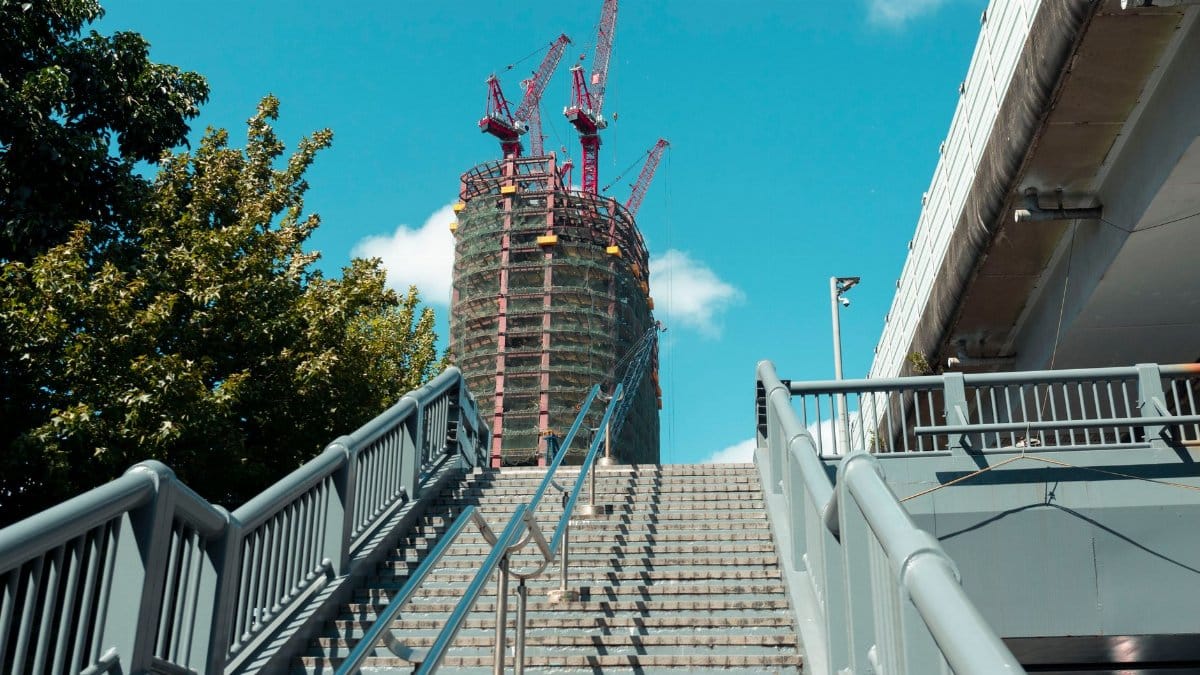
In the eastern stretches of Dallas, where highways carry thousands of commuters each day, a long awaited transformation is drawing to a close. For more than half a decade, crews have worked to widen and modernize a key route that connects suburbs to the urban core. The I-635 construction stands as one of the largest such efforts in recent local memory, promising smoother travel once the final touches are applied by the close of summer 2026.
Scale of Investment and Timeline

The effort carries a price tag of 1.74 billion dollars, funded through a mix of state and federal resources along with private partnerships. Work began in earnest around 2020 and has continued through shifting economic conditions and supply chain pressures. Officials note that the project timeline held steady despite those hurdles, a point of pride for the agencies involved.
Expanded Capacity for Daily Travel

Upon completion, the corridor will feature additional through lanes in each direction. This change addresses chronic bottlenecks that have frustrated motorists during peak hours. Frontage roads are also being rebuilt to better serve local businesses and neighborhoods that rely on easy access rather than long distance movement.
Impact on Surrounding Communities
Residents living near the route have experienced years of noise, dust, and detours. Some report that access to shops and schools became more complicated during peak construction phases. As barriers come down, community leaders expect a rebound in foot traffic for nearby establishments that adapted by shifting hours or offering delivery options.
Engineering Solutions Employed

Teams used advanced paving techniques and modular construction methods to speed progress in tight spaces. Drainage systems received upgrades to reduce flooding risks during heavy rains, a frequent issue in the area. Lighting and signage were modernized with an eye toward clearer guidance for drivers unfamiliar with the layout.
Economic Ripple Effects

Local contractors and suppliers gained steady work throughout the process, supporting jobs in construction, engineering, and materials production. Property values along improved sections have begun to rise, reflecting optimism about future connectivity. Analysts suggest the finished roadway could attract new commercial development in the coming decade.
Safety Enhancements Built In

Wider shoulders and updated barriers aim to lower crash rates that once plagued the older configuration. Emergency response teams will benefit from better access points designed into the new layout. Data from similar completed projects elsewhere in Texas shows measurable drops in serious incidents after comparable upgrades.
Environmental Considerations
Planners incorporated green spaces and noise walls to lessen effects on adjacent areas. Storm water management features help protect nearby waterways from runoff. While some tree removal was necessary, replacement plantings are scheduled along the corridor to restore visual buffers over time.
Public Communication Efforts

Throughout the work, agencies maintained websites and hotlines to share updates and gather feedback. Open houses allowed residents to view plans and voice concerns directly. Such outreach helped adjust certain details, such as the placement of access ramps near schools and medical facilities.
Future Maintenance Outlook
With the main phase wrapping up, attention turns to ongoing upkeep. State crews will monitor pavement performance and make adjustments as needed. Budget allocations for the next several years include provisions for these routine tasks to keep the investment performing well.
Comparisons to Other Regional Projects
Similar large scale work on other Dallas area highways offers lessons in traffic management and public expectations. Those earlier efforts showed that initial disruption gives way to lasting gains in speed and reliability once traffic patterns settle into the new design.